%20of%20webynetwork%20logo.png)


![How Trustofy Can Help You Manage Your Online Reputation [Review]](https://static.wixstatic.com/media/e17a16_d398ccf468af445aa96414f63571c0c4~mv2.png/v1/fill/w_1268,h_768,fp_0.50_0.50,q_35,blur_30,enc_avif,quality_auto/e17a16_d398ccf468af445aa96414f63571c0c4~mv2.png)
![How Trustofy Can Help You Manage Your Online Reputation [Review]](https://static.wixstatic.com/media/e17a16_d398ccf468af445aa96414f63571c0c4~mv2.png/v1/fill/w_284,h_172,fp_0.50_0.50,q_95,enc_avif,quality_auto/e17a16_d398ccf468af445aa96414f63571c0c4~mv2.png)


The Pros & Cons of Refinancing Your Home Mortgage Loan
- Oct 6, 2025
- 14 min read

Are you pondering over whether or not to refinance your home mortgage loan?
Perhaps you're considering getting a better interest rate, shortening the loan term, or lowering monthly payments. It's paramount to consider the benefits and drawbacks before refinancing. Refinancing can be daunting for many homeowners, but it can also be an excellent opportunity to save money and achieve your financial goals. To help you weigh the pros and cons, we've compiled a comprehensive guide to refinancing your home mortgage loan.
If you bought your house when the federal funds rate was at least 150 basis points — or 1.5% — higher than what it is today, an opportunity to benefit from the current low interest rates is correct before you.
Chances are high that it's all around you while you read these words. Like millions of homeowners who pay more than they need to every month, you can also benefit from these low-interest rates by refinancing your mortgage loan.
However, determining whether or not you should refinance your mortgage is a bit more complicated. To make a decision, it's essential to understand the pros and cons, including the potential negative impacts it could have on your personal finances and housing security.
In this blog, we'll explore the advantages and disadvantages of refinancing, including the potential savings, the costs involved, and how it could impact your credit score.
By the end of this guide, you'll have a clearer understanding of whether or not refinancing is the right choice for you and your financial situation.
So, let's delve into the pros and cons of refinancing your home mortgage loan and discover if it's a viable option for you.
What is a Home Mortgage Loan?
A home mortgage loan is a sort of loan specifically designed to purchase a home or real estate. It is a secured loan, meaning that the value of the financed property backs the loan. If the borrower cannot make payments, the lender may take possession of the property through foreclosure.
Here are some critical elements of a home mortgage loan:
Principal: This is the amount of money borrowed to purchase the home.
Interest: Lenders charge the principal amount as compensation for providing the loan. The interest rate can either remain constant throughout the loan term (fixed) or fluctuate based on market conditions (variable).
Loan Term: The loan term is when the borrower repays the loan. Common loan terms include 15, 20, or 30 years.
Down Payment: The down payment is an upfront payment made by the borrower as a percentage of the home's purchase price. It is not financed through a mortgage loan and is intended to reduce the lender's risk.
Collateral: The borrower can lose the property if they default on the loan, as the lender uses it as collateral.
Monthly Payments: Borrowers make routine monthly payments to repay the principal and interest over the loan term. These payments may also include property taxes and homeowners insurance, often collected by the lender and held in an escrow account.
Amortization: Amortization refers to the gradual repayment of the loan through regular monthly payments. A more significant portion of the early payments goes toward interest, while a more substantial portion of later payments goes toward reducing the principal.
There are various home mortgage loans, including conventional loans, government-backed loans (FHA, VA, and USDA loans), and adjustable-rate mortgages (ARMs). A mortgage's terms and conditions can vary based on the lender, the borrower's creditworthiness, and the prevailing market conditions. Home mortgage loans are crucial in facilitating homeownership for individuals and families.

Pros of Refinancing Your Mortgage Loan
Refinancing a mortgage involves replacing a current mortgage with a new one, often to take advantage of better terms, lower interest rates, or other financial benefits.
Here are some potential pros of refinancing your mortgage:
1. Potential Reduction in Lifetime Interest Costs
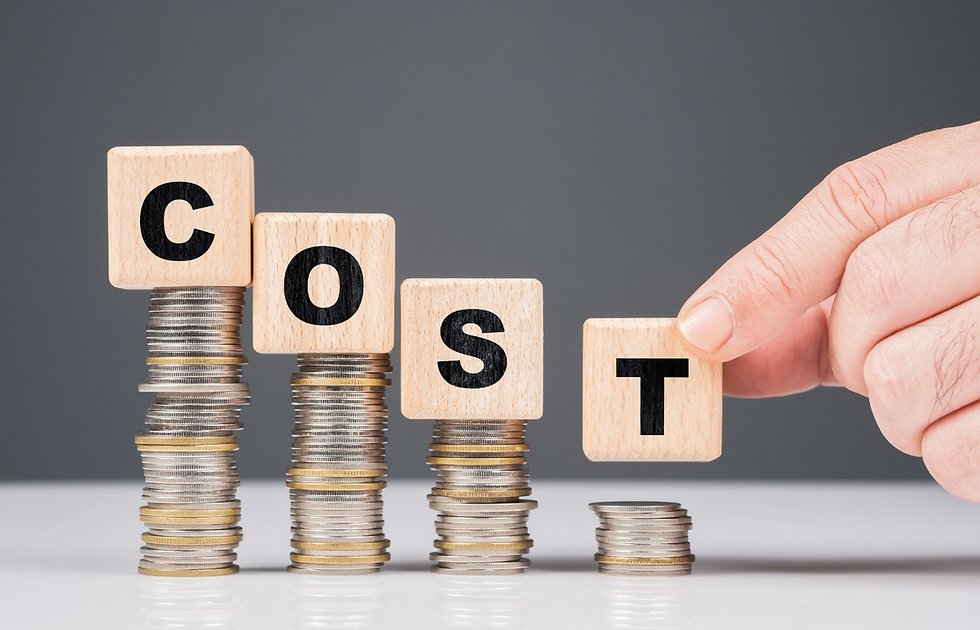
Lowering lifetime interest costs is a compelling reason to refinance a mortgage.
Many homeowners pursue refinancing to save money, and various strategies can achieve this:
Lowering the Interest Rate:
Refinancing to secure a lower interest rate is a prudent financial move. If market interest rates have declined since the original loan was obtained, borrowers may qualify for a more favorable rate. A lower interest rate translates to decreased monthly payments and, more significantly, a substantial decrease in the total interest paid over the life of the loan. You need a stable financial history, a reasonable debt-to-income ratio, and a decent credit score to qualify for a loan.
Shortening the Term:
Opting for a quicker loan term, like 15 years instead of 30, is a strategic strategy to minimize interest costs. While monthly payments are higher, a shorter term results in less interest accumulation time. This strategy suits homeowners who can comfortably manage higher monthly payments and prioritize building equity quickly. It's a balanced approach to achieving homeownership goals efficiently.
Converting from Adjustable Rate to Fixed Rate:
Homeowners with adjustable-rate mortgages (ARMs) may choose to refinance to a fixed-rate mortgage for stability. ARMs can start with lower rates but are subject to interest rate fluctuations, posing the risk of significant increases. By switching to a fixed-rate mortgage, borrowers lock in a stable interest rate, providing predictability in monthly payments and safeguarding against potential future rate spikes.
Converting from Jumbo to Conventional:
Refinancing from a jumbo to a conventional loan is a consideration for those with more significant mortgage amounts. Generally, jumbo loans have higher interest rates compared to standard loans. Refinancing to a traditional loan becomes feasible as the outstanding loan balance decreases and the property's value increases. This transition can result in lower interest costs over the life of the loan, especially as the remaining balance falls below the conforming loan limit.
These strategies aim to optimize the balance between monthly affordability and long-term savings, aligning the mortgage structure with the homeowner's financial objectives and market conditions. Each approach has its considerations, and the choice depends on individual preferences, financial capacity, and goals.
2. Potential Reduction in Monthly Payments
Refinancing offers a promising avenue to lower your monthly payments, primarily by transitioning from a higher-rate loan to a lower-rate loan with a term comparable to your existing one.
Let's explore this in greater detail:
Lowering the Interest Rate:
Securing a lower interest rate during refinancing is the crux of reducing monthly payments. This entails capitalizing on favorable market conditions or an improved credit profile since initiating the original loan. A diminished interest rate translates to immediate savings in monthly payments and contributes to substantial long-term cost reductions.
Consideration for Alternative Scenarios:
When obtaining a lower interest rate might prove challenging, homeowners may explore an alternative approach. This involves refinancing into a longer-term loan, effectively spreading payments over an extended timeframe. While this choice provides immediate relief in monthly financial commitments, it comes with a trade-off: an elevated lifetime borrowing cost.
Balancing Short-Term Relief and Long-Term Costs:
Homeowners contemplating extending their loan term must carefully weigh the immediate benefits of reduced monthly payments against the long-term consequence of increased overall borrowing costs. Striking a balance between short-term financial ease and long-term financial prudence is crucial. This decision should align with individual financial goals and circumstances.
Consideration of Financial Objectives:
The decision to refinance and potentially extend the loan term should align with broader financial objectives. Homeowners should assess their current financial landscape, considering factors such as cash flow requirements, budget constraints, and the desire to minimize the total interest paid over the life of the loan. This holistic evaluation ensures that the chosen refinancing strategy is responsive to immediate needs and strategically aligned with long-term financial well-being.
In essence, the potential reduction in monthly payments through refinancing is a multifaceted decision that requires careful consideration of interest rate dynamics, individual financial objectives, and the trade-offs between short-term relief and long-term financial outcomes. Homeowners are encouraged to engage in thorough financial planning and consultation to determine the most fitting refinancing strategy for their unique circumstances.
3. Enhanced Predictability for Your Loan

Predictability is not a significant concern when dealing with an original loan featuring a fixed rate. While variations may occur on the escrow side due to property taxes and insurance fluctuations, the principal and interest payments remain steadfast throughout the loan's lifespan.
However, predictability becomes a challenge if an adjustable rate burdens your initial loan. In such cases, opting to refinance into a fixed-rate loan emerges as a sensible solution. The transition to a new fixed-rate loan not only introduces stability by eliminating the uncertainty associated with adjustable rates but also guards against potential costly upward rate adjustments. This shift towards predictability can significantly benefit your financial outlook.
Let's delve into the details:
Fixed-Rate Loan Stability:
Predictability is inherently ingrained when dealing with an original loan with a fixed interest rate. Despite potential year-to-year variations in escrow components like property taxes and insurance, the principal and interest payments remain constant throughout the loan. This stability provides borrowers with a clear and consistent financial obligation, simplifying budgeting and financial planning.
Challenges with Adjustable Rates:
In contrast, the predictability of payments becomes a noteworthy concern if your original loan carries an adjustable rate. Adjustable-rate mortgages (ARMs) are susceptible to fluctuations in interest rates, leading to potential adjustments in monthly payments. These variations introduce an element of uncertainty, making financial planning more complex.
Refinancing to a Fixed-Rate Solution:
Refinancing to a fixed-rate mortgage is a prudent solution to address the unpredictable payments associated with adjustable-rate loans. By making this transition, borrowers gain the assurance of a stable and unchanging interest rate. The new fixed-rate loan mitigates the risks of upward rate adjustments and provides a clear and foreseeable financial trajectory.
Guarding Against Costly Adjustments:
A compelling advantage of refinancing a fixed-rate loan is its ability to prevent potentially costly upward-rate adjustments. This protection ensures that borrowers are shielded from sudden and significant increases in their interest rates, thereby enhancing their financial security.
4. Debt Consolidation

When you opt for a cash-out refinance, you can borrow additional funds from the equity you've built in your home. The "cash-out" component refers to receiving a lump sum exceeding the amount needed to pay off your mortgage. You can use this surplus cash for various purposes, and one common strategy is debt consolidation.
Here's how debt consolidation through a cash-out refinance works:
Assessing Your Debts: Identify and list higher-interest debts, like credit card balances, personal loans, or other unsecured debts. These often come with interest rates higher than your mortgage rate.
Determining Home Equity: The amount of equity you can access depends on your home's current value, outstanding mortgage balance, and lender policies. The equity is the difference between the home's value and what you owe on the mortgage.
Applying for Cash-Out Refinance: You apply for a cash-out refinance with your mortgage lender. The lender will assess your home's value, creditworthiness, and other financial factors during application.
Paying Off High-Interest Debts: Once your cash-out refinance is approved and finalized, the lender provides the extra funds. You can use these funds to pay off the identified higher-interest debts.
Single Monthly Payment: With the higher-interest debts paid off, you are left with a single mortgage payment that includes the consolidated debt. This new payment may be lower than the combined payments of your previous mortgage and other debts.
Benefits of Debt Consolidation through Cash-Out Refinance:
Lower Interest Rates: Mortgages usually have lower interest rates than credit cards and personal loans. Consolidating higher-interest debt into a mortgage can result in significant interest savings.
Simplified Repayment: Managing a single monthly payment can be more convenient and less stressful than juggling multiple payments with varying due dates and interest rates.
Potential Tax Benefits: Mortgage interest may be tax deductible, providing potential tax benefits that are unavailable with other types of debt.
6. Switching Loan Types
Refinancing lets you switch from an adjustable-rate mortgage (ARM) to a fixed-rate mortgage, providing stability and protection against future interest rate increases.
Adjustable-rate mortgages (ARMs) and fixed-rate mortgages are two primary types of mortgage loans. ARMs have lower starting interest rates than fixed-rate mortgages, but the interest rate can fluctuate based on market conditions. Fixed-rate mortgages have a constant interest rate for the entire loan duration.
Refinancing from an adjustable rate to a fixed-rate mortgage can give homeowners excellent monthly payment stability and predictability. This transition shields borrowers from the potential volatility of interest rate fluctuations that can occur with ARMs. While ARMs may have inferior initial interest rates, these rates can rise after an initial fixed period, leading to higher monthly payments.
By choosing a fixed-rate mortgage through refinancing, homeowners secure a consistent interest rate, ensuring that their mortgage payments remain unchanged throughout the life of the loan. This can be particularly advantageous in rising interest rates, as it protects against future increases.
The decision to switch from an ARM to a fixed-rate mortgage depends on various factors, including the current interest rate environment, the homeowner's financial goals, and risk tolerance. Refinancing to a fixed-rate mortgage can provide financial stability and peace of mind with predictable monthly payments.
It's worth noting that while fixed-rate mortgages offer stability, they may initially have slightly higher interest rates approximated to the initial rates of ARMs. However, the trade-off for this higher initial rate is the security of knowing that monthly payments won't increase due to interest rate fluctuations in the future.
7. Remove Private Mortgage Insurance (PMI)
Homebuyers who create a down payment of less than 20% of the purchase price of a home are usually required to pay for Private Mortgage Insurance (PMI). The purpose of PMI is to protect the lender in case of borrower default. While PMI serves a crucial purpose for lenders, it adds an extra cost for homeowners responsible for paying the insurance premium.
When a homeowner's property appreciates or makes substantial payments toward their mortgage, their equity in the home increases.
Equity differs between a home's current market value and the outstanding mortgage balance. Equity differs between a home's current market value and the outstanding mortgage balance. As the equity in the home grows, the homeowner may reach a point where they have at least 20% equity in the property.
When refinancing is crucial, they evaluate the loan-to-value ratio (LTV), which compares the home's current value to the loan amount. If the LTV is below 80%, meaning the homeowner has at least 20% equity, they may be eligible to eliminate the requirement for PMI.
By refinancing to remove PMI, homeowners can reduce their monthly mortgage payments. PMI is no longer a factor, freeing up funds for other financial goals or expenses.
It's important to note that the decision to remove PMI through refinancing should be based on carefully considering the costs associated with refinancing, such as closing costs and fees. Homeowners should weigh these costs against the potential long-term savings from eliminating PMI. Additionally, lenders may have distinct requirements regarding the LTV ratio and may require an appraisal to assess the property's current value.
Refinancing to remove PMI can benefit homeowners who have built sufficient home equity. It not only reduces monthly mortgage expenses but also reflects the increased value of the property over time. As with any financial decision, homeowners should thoroughly assess the costs and benefits before refinancing.
8. Home Equity Line of Credit (HELOC)
A Home Equity Line of Credit is a flexible form of credit that enables homeowners to borrow against their home equity. Unlike a traditional mortgage, a HELOC provides a flexible borrowing arrangement where homeowners can draw funds up to a pre-approved credit limit as required. The interest rates on HELOCs are often variable, meaning they can alter over time based on market conditions.
When homeowners refinance with a HELOC, they essentially combine their existing mortgage with a line of credit secured by the equity in their property. This can be a strategic financial move for various reasons.
Firstly, a HELOC provides homeowners access to funds for various purposes, like home improvements, education expenses, debt consolidation, or unexpected financial needs. Since the funds are drawn as needed, borrowers only pay interest on the amount they use, offering flexibility and control over their borrowing.
Secondly, the interest rates on HELOCs can be lower than those on other loans or credit products, making it a potentially cost-effective way to access additional funds. However, it's important to note that interest rates are variable and can fluctuate over time.
Thirdly, by combining a traditional mortgage with a HELOC, homeowners can structure their debt to align with their financial goals. For example, they may use the HELOC for short-term expenses while maintaining a fixed-rate mortgage for long-term stability.
It's crucial for homeowners to carefully evaluate the terms and conditions of the HELOC, including interest rates, fees, and repayment terms. Additionally, understanding the potential risks, such as interest rate fluctuations, is essential when considering a HELOC as part of the refinancing strategy.

Cons of Refinancing Your Home Mortgage Loan
While refinancing your home mortgage loan can offer potential benefits, it's paramount to consider the possible drawbacks and carefully evaluate whether it's the right decision for your situation.
Here are some cons of refinancing your home mortgage:
1. Challenging Application Process:
Refinancing your mortgage demands a substantial commitment of time and effort. While not as extensive as applying for an initial purchase loan, the process requires submitting extensive documentation to verify details such as employment, income, and identity. The period between application and closing can be nerve-wracking, emphasizing the importance of only pursuing refinancing if you are genuinely committed.
2. No Guaranteed Approval:
Homeownership alone doesn't guarantee approval for mortgage refinancing. Changes in your financial profile, such as a decrease in your credit score, income fluctuations, recent employment changes, or an increased debt-to-income ratio, may lead to an outright denial or acceptance under less favorable terms than anticipated.
3. Uncertain Break-Even Point:
While many expect their refinanced mortgage to be more cost-effective than the original loan, various circumstances may prevent this outcome. Even if you don't intentionally extend the loan term or fail to secure a lower rate, circumstances such as selling your house before breaking even on the refinance costs can impact your ability to recoup upfront expenses.
4. Potential Increase in Monthly Payments:
Refinancing to access home equity or shorten the loan term often results in an increased monthly payment. While this might align with your objectives, the sudden rise can be surprising and strain your monthly budget. It's crucial to carefully evaluate whether the new loan remains affordable in the long run.
5. Risk of Backfiring in a Declining Market:
In areas where home values have decreased since your purchase or last appraisal, there's a risk of receiving a lowball appraisal that could hinder your chances of qualifying for a refinance. This is more probable in regions with high foreclosure and short sale rates. If an unfavorable appraisal is likely and your need to refinance is not urgent, it might be prudent to wait until market conditions improve.
6. Costs and Fees:
Refinancing involves various upfront costs and fees that can impact your financial situation. These expenses may include application fees, origination fees, appraisal fees, and closing costs. It's crucial to know the total cost of refinancing and estimate the break-even point – the time it brings for the monthly savings to offset these upfront costs. The break-even point becomes even more critical if you plan to move or sell your home shortly.
7. Extended Loan Term:
To reduce monthly payments, borrowers may use a longer loan term when refinancing. While this approach can provide immediate relief by lowering monthly payments, it also means paying interest over an extended period. Ultimately, you may pay more interest over the loan life than your original mortgage. It's crucial to weigh the short-term advantages against the long-term costs.
8. Prepayment Penalties:
Before deciding to refinance, review your current mortgage agreement for any prepayment penalties. Certain loan agreements may include penalties or fees if the borrower repays the mortgage before the scheduled due date. Comprehending these penalties is crucial, as they can significantly impact the overall cost-effectiveness of refinancing. If prepayment penalties are substantial, they may outweigh the potential savings from a lower interest rate.
9. Adjustable Rate to Fixed Rate:
Switching from an adjustable rate to a fixed-rate mortgage can provide stability but may come with a higher initial interest rate. While fixed rates offer predictability, you might miss out on potential savings if prevailing interest rates are lower. Consider the current economic climate and future interest rate projections when deciding between fixed and adjustable-rate options.
10. Impact on Credit Score:
Each refinancing application results in a hard inquiry on your credit report. While a single investigation has a minor impact on your credit score, multiple inquiries within a short period can add up. Any missed payments during the refinancing process can further harm your credit score. Be mindful of your credit health and financial stability throughout the refinancing process.
11. Home Equity Impact:
Refinancing, especially when taking cash out, can impact your home equity. By tapping into your home equity, you reduce your ownership stake in your property. It's necessary to consider the long-term consequences of accessing your home's equity, as it may limit your financial flexibility and affect your ability to build wealth through property ownership.
12. Potential for Overleveraging:
There's a risk of overleveraging if you're considering cash-out or refinancing for a more significant amount than your current mortgage. While accessing additional funds may seem appealing, evaluating your ability to manage higher mortgage payments is essential. Overleveraging can lead to financial strain if unexpected circumstances arise, such as job loss or economic downturns.

Final Thoughts
Refinancing a mortgage is a decision that should be approached with careful consideration. Even when interest rates are low, and your borrower profile is intense, success is not guaranteed. Life can throw unexpected curveballs, like a sudden job loss or a forced relocation, jeopardizing your financial stability and putting your home at risk. Additionally, a market downturn could impact your home equity and hinder your plans for renovations and improvements.
By refinancing your mortgage, you can save thousands of dollars on your monthly payment and avoid the drawbacks of an outdated loan.
Ultimately, there is no way to predict the outcome of a mortgage refinance. Considering the potential risks and advantages before deciding, mainly when the stakes are high, is crucial.


![How Trustofy Can Help You Manage Your Online Reputation [Review]](https://static.wixstatic.com/media/e17a16_d398ccf468af445aa96414f63571c0c4~mv2.png/v1/fill/w_1026,h_768,fp_0.50_0.50,q_35,blur_30,enc_avif,quality_auto/e17a16_d398ccf468af445aa96414f63571c0c4~mv2.png)
![How Trustofy Can Help You Manage Your Online Reputation [Review]](https://static.wixstatic.com/media/e17a16_d398ccf468af445aa96414f63571c0c4~mv2.png/v1/fill/w_1026,h_768,fp_0.50_0.50,q_95,enc_avif,quality_auto/e17a16_d398ccf468af445aa96414f63571c0c4~mv2.png)


Comments